Maritime military drills display US, S. Korea military might to North
TEHRAN (Basirat)- The U.S. and South Korean navies have conducted precision strike drills with guided-missile destroyers, submarines and anti-submarine helicopters in a display of military might against a growing threat from the North.
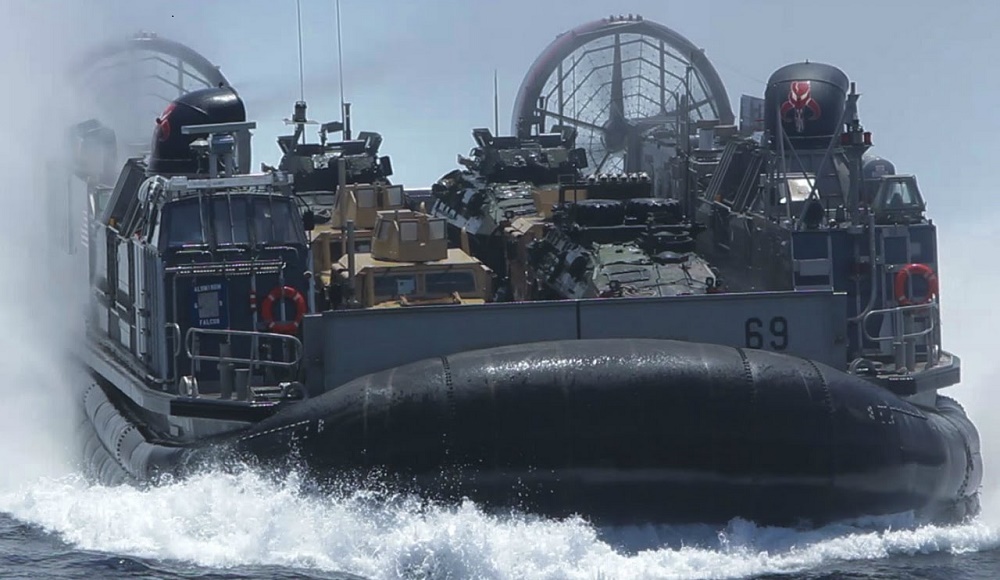
The U.S. and South Korean navies have conducted precision strike drills with guided-missile destroyers, submarines and anti-submarine helicopters in a display of military might against a growing threat from the North.
stripes.com reports:
Monday’s exercise in the Sea of Japan marked the first time the allies have operated together in waters to the east of the peninsula near the North Korean border, said a U.S. official speaking on condition of anonymity.
An unusually strong statement stressed that the operation was meant as a clear warning to Pyongyang. Rear Adm. Brad Cooper, commander of U.S. Naval Forces Korea and Task Force 78, said the exercise showcased the allies’ "unwavering strength and resolve.”
"We work side by side with our [South Korean] partners every day; we are by their side today at sea, and we will remain by their side to defend against North Korea’s unprovoked acts of aggression,” he said.
The vessels showcased the ability to defend against surface, subsurface and ballistic missile threats, the statement said. Participants included the USS Spruance, an Arleigh Burke-class guided-missile destroyer; South Korean Aegis destroyers; submarines; anti-submarine helicopters; and U.S. and South Korean patrol aircraft.
Washington and Seoul regularly conduct joint war games but insist they are defensive in nature despite North Korea’s claims the drills are a rehearsal for an invasion.
The drills took place about two weeks after North Korea carried out another nuclear test — its fifth since 2006 and the second this year. The underground blast highlighted a year of rising tensions as Pyongyang defiantly test-fired several ballistic missiles in defiance of U.N. Security Council resolutions and economic sanctions.
North Korea has also carried out several missile tests with increasing success and shown progress in efforts to develop submarine-launched ballistic missiles.
"Our [South Korea-U.S.] alliance will counter the North Korean nuclear development and SLBM threats with determination,” Vice Adm. Lee, Ki-sik, commander of the Republic of Korea Fleet, said in the joint statement.
The U.S. military also conducted an aerial show of force after the Sept. 9 nuclear test, sending Guam-based B-1B Lancers in two flyovers of South Korea and landing one at Osan Air Base south of Seoul for the first time in two decades.
That supersonic bomber was put on public display Saturday and flew off the peninsula Sunday, military officials said.
So far, the military exercises and international condemnation have drawn only more fiery rhetoric from North Korea, which blames what it calls U.S. hostilities for pushing the sides toward new conflict.
The communist country "had no other choice but to go nuclear inevitably after it has done everything possible to defend the national security from the constant nuclear threats from the United States,” North Korean Foreign Minister Ri Yong Ho said in a speech Friday to the U.N. General Assembly.
The two Koreas remain technically at war after the 1950-53 conflict ended with an armistice instead of a peace treaty. The U.S. has about 28,500 servicemembers stationed in the South.