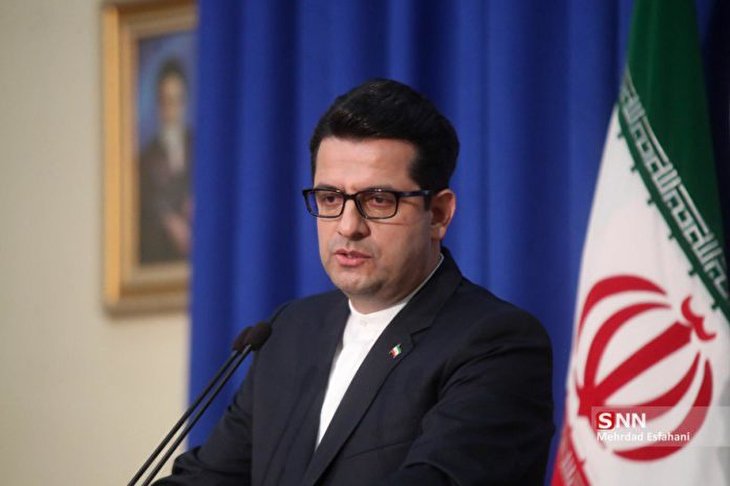
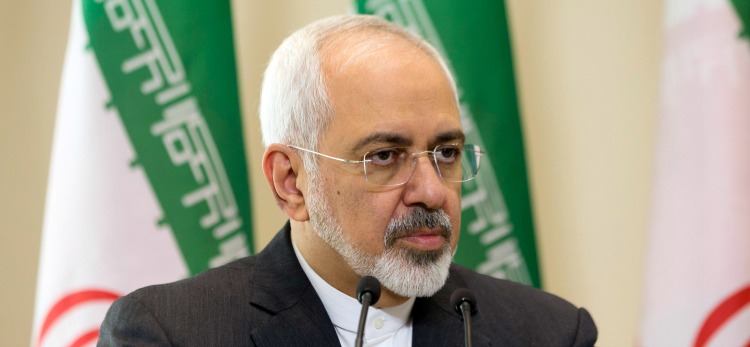
Mohammad Javad Zarif:
Saudi Arabia’s Reckless Extremism
TEHRAN, (BASIRAT) – Foreign Minister Mohammad Javad Zarif, in his most recent article, has once more underlined the priority of Iran’s foreign policy being friendship with neighbors, peace in the region and international cooperation particularly in fight against terrorism, while denouncing the destructive role of some regional states.
The world will soon celebrate the implementation of the
landmark agreement that resolves the unnecessary, albeit dangerous, crisis over
Iran’s nuclear program. All parties hoped, and continue to believe, that the
resolution of the nuclear issue would enable us to focus on the serious
challenge of extremism that is ravaging our region — and the world.
President Rouhani has repeatedly declared that Iran’s top
foreign policy priority is friendship with our neighbors, peace and stability
in the region and global cooperation, especially in the fight against
extremism. In September 2013, a month after taking office, he introduced an
initiative called World Against Violence and Extremism (WAVE). It was approved
by consensus by the United Nations General Assembly, giving hope for a
farsighted global campaign against terrorism.
Unfortunately, some countries stand in the way of
constructive engagement.
Following the signing of the interim nuclear deal in
November 2013, Saudi Arabia began devoting its resources to defeating the deal,
driven by fear that its contrived Iranophobia was crumbling. Today, some in
Riyadh not only continue to impede normalization but are determined to drag the
entire region into confrontation.
Saudi Arabia seems to fear that the removal of the smoke
screen of the nuclear issue will expose the real global threat: its active
sponsorship of violent extremism. The barbarism is clear. At home, state
executioners sever heads with swords, as in the recent execution of 47
prisoners in one day, including Sheikh Nimr al-Nimr, a respected religious
scholar who devoted his life to promoting nonviolence and civil rights. Abroad,
masked men sever heads with knives.
Let us not forget that the perpetrators of many acts of
terror, from the horrors of Sept. 11 to the shooting in San Bernardino and
other episodes of extremist carnage in between, as well as nearly all members
of extremist groups like Al Qaeda and the Nusra Front, have been either Saudi
nationals or brainwashed by petrodollar-financed demagogues who have promoted
anti-Islamic messages of hatred and sectarianism for decades.
The Saudi strategy to derail the nuclear agreement and
perpetuate — and even exacerbate — tension in the region has three components:
pressuring the West; promoting regional instability through waging war in Yemen
and sponsoring extremism; and directly provoking Iran. Riyadh’s military
campaign in Yemen and its support for extremists are well known. Provocations
against Iran have not grabbed international headlines, primarily thanks to our
prudent restraint.
The Iranian government at the highest level unequivocally
condemned the assault against the Saudi embassy and consulate in Tehran on Jan.
2, and ensured the safety of Saudi diplomats. We took immediate measures to
help restore order to the Saudi diplomatic compound and declared our
determination to bring perpetrators to justice. We also took disciplinary
action against those who failed to protect the embassy and have initiated an
internal investigation to prevent any similar event.
By contrast, the Saudi government or its surrogates have
over the past three years directly targeted Iranian diplomatic facilities in
Yemen, Lebanon and Pakistan — killing Iranian diplomats and locals. There have
been other provocations, too. Iranian pilgrims in Saudi Arabia have endured
systematic harassment — in one case, Saudi airport officers molested two
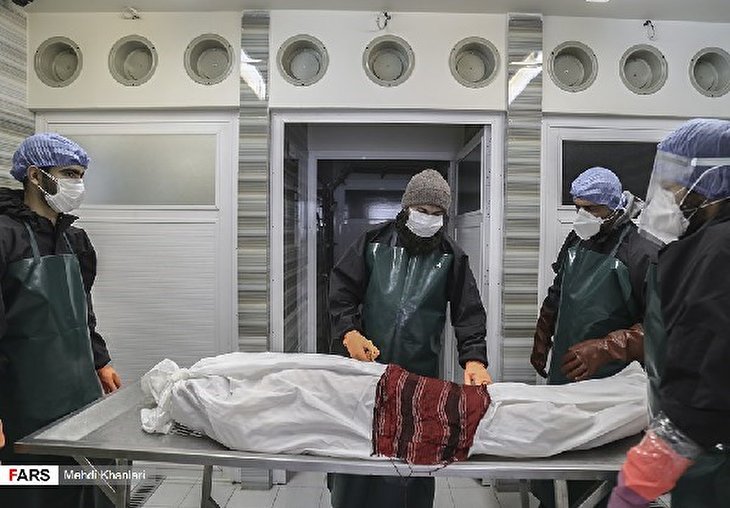
Iranian boys in Jeddah, fueling public outrage. Also, Saudi negligence was to
blame for the stampede during the recent hajj, which left 464 Iranian pilgrims
dead. Moreover, for days, Saudi authorities refused to respond to requests from
grieving families and the Iranian government to access and repatriate the
bodies.
This is not to mention the routine practice of hate speech
not only against Iran but against all Shiite Muslims by Saudi Arabia’s
government-appointed preachers. The outrageous beheading recently of Sheikh
Nimr was immediately preceded by a sermon of hatred toward Shiites by a Grand
Mosque preacher in Mecca, who last year said that "our disagreement with
Shiites will not be removed, nor our suicide to fight them” as long as Shiites
remained on the earth.
Throughout these episodes, Iran, confident of its strength,
has refused to retaliate or break — or even downgrade — diplomatic relations
with Saudi Arabia. We have until now responded with restraint; but unilateral
prudence is not sustainable.
Iran has no desire to escalate tension in the region. We
need unity to confront the threats posed by extremists. Ever since the first
days after his election, the president and I have indicated publicly and
privately our readiness to engage in dialogue, promote stability and combat
destabilizing extremism. This has fallen on deaf ears in Saudi Arabia.
The Saudi leadership must now make a choice: They can
continue supporting extremists and promoting sectarian hatred; or they can opt
to play a constructive role in promoting regional stability. We hope that
reason will prevail.
Mohammad Javad Zarif is Foreign
Minister of the Islamic Republic of Iran.
This article was originally published in NY
Times.