U.S., Allies Hold Missile Defense Drills Amid China, North Korea Tensions
TEHRAN (Basirat)- As concern over North Korea’s nuclear weapons ambitions and tensions in both the South China and East China Seas continue to escalate, the U.S., Japan and South Korea have held their first trilateral missile-defense drill in waters off the state of Hawaii.
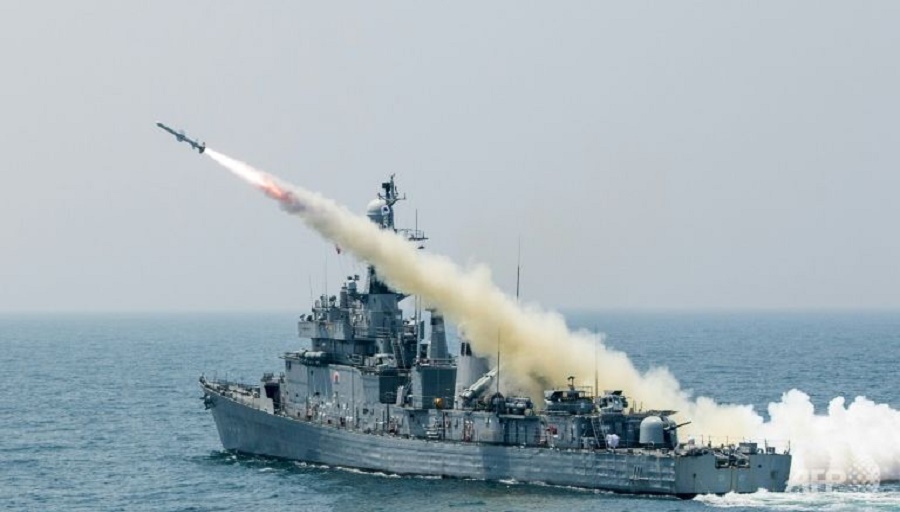
As concern over North Korea’s nuclear weapons ambitions and tensions in both the South China and East China Seas continue to escalate, the U.S., Japan and South Korea have held their first trilateral missile-defense drill in waters off the state of Hawaii.
forbes.com reports:
Officials said that the drills, dubbed "Pacific Dragon,” were an effort to better defend against threats from North Korea. It was the first anti-missile drills between the three countries, reported South Korea’s Yonhap news agency.
"Pacific Dragon not only allows participants the opportunity to exercise ballistic missile defense but it enhances the already strong relationship of all three nations participating,” said Vice Adm. Nora Tyson, commander of U.S. 3rd Fleet, in a statement.
The statement said that the exercise featured a coordinated live ballistic target tracking event where each nation’s Aegis Ballistic Missile Defense System capabilities were tested and improved. All participants shared tactical data link information in accordance with a trilateral information sharing agreement.
Aegis is the U.S. Navy’s primary anti-missile system, which is also used by South Korean and Japanese naval ships. Though no missiles were fired during the exercise, "all participants strengthened interoperability, communication channels, data collection, and capabilities assessments,” the statement said.
Last week, North Korea launched a series of test-firings of its intermediate-range ballistic missile. North Korean leader Kim Jong-un said that his country’s latest missile tests shows that it has "the sure capability to attack US interests.”
The Musudan is believed by outside observers to have a range of up to 2,500 miles (4,000 km), which is far enough to reach military bases in Guam, a U.S. territory. The Musudan, however, has never been fully flight tested.