The New Faces of U.S. Poverty
TEHRAN (Basirat)- America's poor are increasingly shifting from the cities to the suburbs, the most recent Census data show – and that's causing problems with the way the government delivers assistance to them.
America's poor are increasingly shifting from the cities to the suburbs, the most recent Census data show – and that's causing problems with the way the government delivers assistance to them.
usnews.com reports:
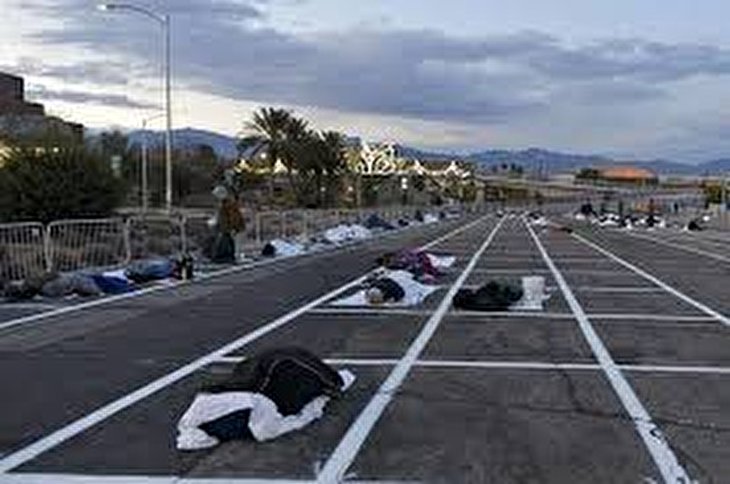
The prolonged economic recession forced millions of Americans into poverty, with nearly 15 percent of the population – or roughly 46.7 million people – living below the poverty line in 2014. According to the U.S. Census Bureau, that figure is up from about 11 percent in 2000.
These Americans tend to live in areas with a few common features, like economic dependence on the agriculture industry and an abundance of low-skilled labor. A typical high-poverty U.S. city is in the South or West, has extensive suburbs outlying the metropolitan area, and is populated disproportionately by minority residents. Of the 10 most populous metropolitan areas with the highest poverty rates, listed below, all but San Juan, Puerto Rico, fit that description.
Poverty rates are rising more quickly in suburbs than urban areas, the data show. The Brookings Institution, a nonprofit research and policy solution organization, reports that low-income populations in suburbs surrounding the country's largest metropolitan areas grew 66 percent from 2000 through 2013, while urban cores saw only 30 percent growth. The cause of this can be traced back to the early and mid-2000s when suburban housing was made more affordable through housing vouchers and subprime mortgages, which gave millions of low-income Americans access to the suburbs.
When the housing bubble burst in 2007, prices plummeted,
foreclosure rates rose and millions of these new suburban residents were
forced into poverty. Several areas on the list of highest poverty rates
were affected: For instance, Stockton, California, had the highest foreclosure rate
in the nation in 2008 at 9.5 percent, according to RealtyTrac, an
online resource for data about the real estate and financial services
sectors.
Read more:http://www.usnews.com/news/articles/2016-07-06/the-new-faces-of-us-poverty